The world of Business-to-Business (B2B) marketing has a reputation for being dry, impersonal, and overly corporate. For decades, the playbook was simple: buy a list of emails, send cold outreach, attend trade shows, and publish stiff whitepapers.
However, the modern B2B buyer has changed.
According to research from Gartner, B2B buyers spend only 17% of their buying journey meeting with potential suppliers. The vast majority of their time is spent doing independent research online. They are reading LinkedIn posts, listening to industry podcasts, and, most importantly, listening to the opinions of their peers and trusted experts.
If your brand is not part of those conversations, you are invisible.
This is where a robust B2B influencer marketing strategy becomes essential. It is not about hiring celebrities to hold your product. It is about partnering with the voices that your buyers already trust to validate your solution and accelerate the sales cycle.
We have helped organizations transform their approach to influence at Pure Marketing Group. This guide covers everything you need to know to build a strategy that works.
Overview:
What is a B2B Influencer Marketing Strategy? A B2B influencer marketing strategy is a calculated approach to partnering with industry experts, thought leaders, customers, and internal employees to co-create content and advocate for your brand.
Unlike B2C influence, which focuses on lifestyle and impulse purchases, B2B influence focuses on credibility, expertise, and trust. The goal is not just brand awareness; it is to shorten long sales cycles by borrowing the authority of respected figures in your niche. Key tactics include co-hosted webinars, expert interviews, guest blogging, and LinkedIn thought leadership.

Why B2B Influence is Different (and Harder) Than B2C
Before you can build a strategy, you must understand the landscape. Taking a B2C approach (like paying an Instagram model to post about your SaaS platform) will fail miserably in a B2B context.
Here are the three critical distinctions:
1. The Goal is Logic, Not Aspiration
In B2C, consumers buy because they want to be like the influencer. In B2B, buyers purchase because they want to learn from the influencer. Your strategy must focus on education, risk mitigation, and proven results.
2. The Platform Mix is Different
While TikTok is growing for business, the undisputed king of B2B influence is LinkedIn. A solid B2B influencer marketing strategy must be native to the platforms where business decisions are discussed. This often includes LinkedIn, Twitter (X), industry-specific forums, and podcasts.
3. The Sales Cycle is Longer
B2B purchases often involve multiple decision-makers and months of deliberation. Therefore, an influencer campaign cannot be a “one-and-done” post. It requires a sustained partnership where the influencer nurtures the audience over time, often moving them from “Awareness” to “Consideration” within the funnel.
The 4 Types of B2B Influencers
When we design campaigns at Pure Marketing Group, we categorize influencers into four distinct buckets. A healthy strategy usually involves a mix of these.
1. The Niche Expert (The “Tech” Influencer)
These are independent consultants, analysts, or speakers who have a deep following in a specific vertical (e.g., a cybersecurity expert or a supply chain consultant). They have high authority but perhaps a smaller, hyper-targeted audience.
2. The Practitioner (The Peer)
These are people actively doing the job your software or service helps with. For example, if you sell marketing software, a “Practitioner” influencer would be a CMO at a well-known company. Their endorsement signals: “I use this, and it works.”
3. The Internal Expert (Employee Advocacy)
Your own employees are often your best untapped resource. Salespeople, engineers, and founders often have networks that trust them more than the corporate brand handle. Activating them is a core part of a modern strategy.
4. The Client Advocate
There is no voice more powerful than a happy customer. Turning your best clients into influencers through detailed case studies and video testimonials is a highly effective tactic we use in our Influencer Marketing Campaigns.

How to Build Your B2B Influencer Marketing Strategy: A 5-Step Framework
To move from “random acts of marketing” to a cohesive strategy, follow this framework.
Step 1: Define Your Objective and KPIs
Do not start by looking for names. Start with the business goal.
- Goal: Brand Awareness? KPI: Reach, Impressions, Share of Voice.
- Goal: Lead Generation? KPI: Downloads, Sign-ups, Cost Per Lead (CPL).
- Goal: Sales Enablement? KPI: Pipeline velocity, Win rate.
Step 2: Identify and Vet the Right Partners
Relevance is far more important than reach. A generic business influencer with 1 million followers is less valuable than a specialized consultant with 5,000 followers who are all your ideal buyers.
Use tools to analyze their audience demographics. Look for engagement quality. Do people ask thoughtful questions in their comments? That is a sign of true influence.
Step 3: Choose Your Activation Model (Co-Creation)
The biggest mistake in B2B is asking an influencer to just “post an ad.” It feels inauthentic. The best B2B influencer marketing strategy involves co-creation.
- The Webinar/Live Stream: Invite the expert to co-host a session on a trending industry topic.
- The Research Report: Partner with an influencer to conduct a survey and publish the findings together.
- The Expert Round-Up: Ask 5 experts the same question and compile their answers into a high-value blog post or e-book.
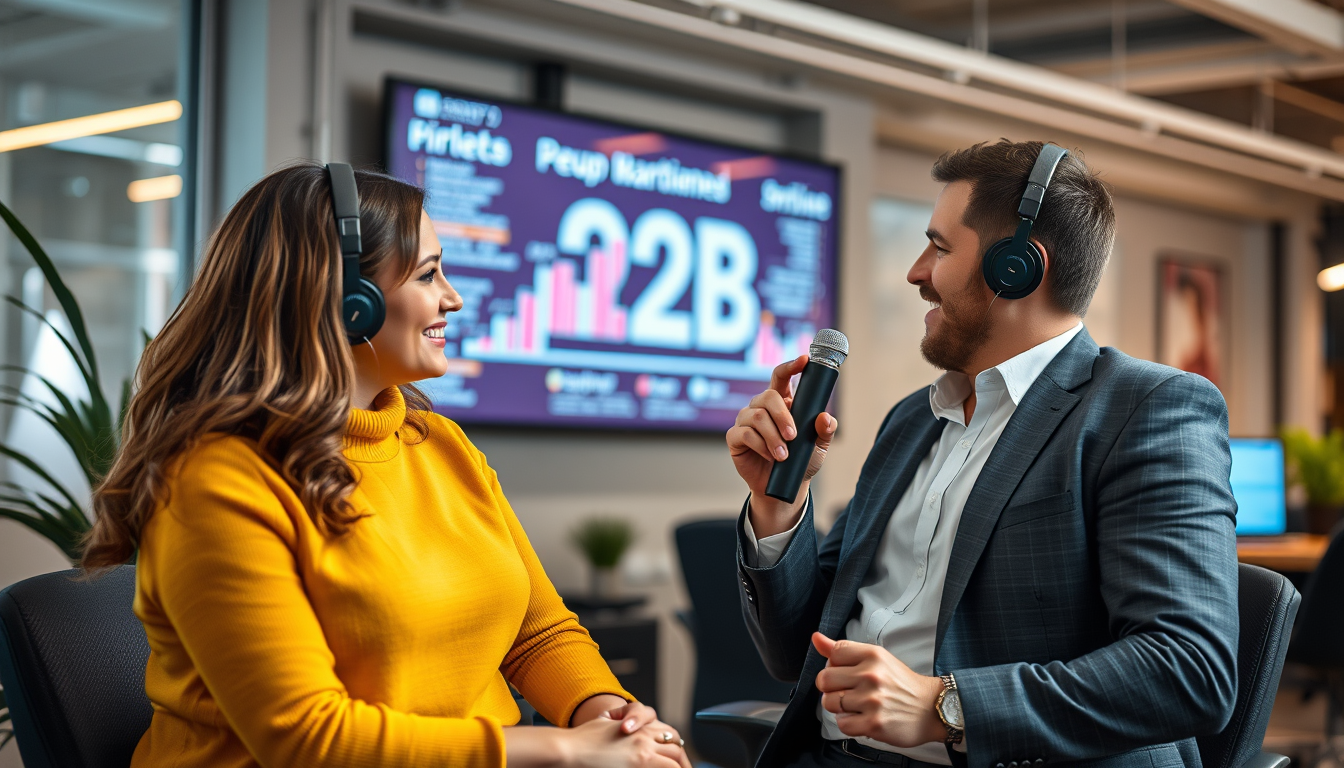
- The Podcast Tour: Sponsor an influencer’s podcast or get your CEO interviewed on it.
Step 4: Amplify with Paid Media (The Secret Weapon)
This is where Pure Marketing Group excels. Organic reach is declining. To guarantee your influencer content is seen by the right decision-makers, you must put money behind it.
We utilize Paid Media Funnels to “whitelist” influencer content. This means we run ads through the influencer’s handle (with their permission) targeting your specific buyer personas. This combines the trust of the influencer with the targeting precision of paid ads.
Step 5: Repurpose and Integrate
Don’t let the content die after one week. If you record a webinar with an influencer, that content should become:
- 3 short video clips for LinkedIn.
- A blog post summarizing key takeaways.
- A case study for your sales team to send to prospects.
- A newsletter feature.
This ensures you maximize the ROI of the partnership.
Common Pitfalls in B2B Influencer Marketing
Even smart companies get this wrong. Here are the traps to avoid:
1. Treating it like a transaction.
B2B influence is built on relationships. If you treat experts like billboards, they will lose interest. You need to build a long-term relationship where you add value to their personal brand as well.
2. Focusing on vanity metrics.
Likes are nice, but they don’t pay the bills. You need to track how influencer traffic behaves on your site. Are they downloading your Digital Marketing Assets? Are they booking demos?
3. Ignoring compliance.
In regulated industries like finance or healthcare, you must ensure your influencers disclose the partnership (e.g., #ad or #sponsored) and adhere to industry compliance standards.
The Role of Strategy and Leadership
Executing a B2B influencer marketing strategy requires coordination between your content team, social media team, and paid media team. It is a complex operation.
For many businesses, managing this internally is overwhelming. This is why organizations often turn to PMG. Through our Fractional CMO service, we provide the strategic oversight to build this program from the ground up. We define the strategy, negotiate with talent, manage the co-creation process, and handle the paid amplification.
We ensure that your influencer strategy isn’t just a “marketing experiment” but a core revenue driver that integrates with your wider full funnel marketing strategy.
Frequently Asked Questions (FAQs)
1. How much does B2B influencer marketing cost?
Costs vary wildly. A “micro-influencer” in a niche tech field might charge $500 to $2,000 for a post or appearance. A top-tier industry analyst or keynote speaker might charge $10,000 to $50,000 for a partnership. However, many B2B relationships can also be built on value exchange (e.g., giving them access to your software for free) rather than direct payment.
2. How do I measure ROI on B2B influencer marketing?
You measure it by setting up proper tracking before you launch. Use UTM parameters on all links the influencer shares so you can see that traffic in Google Analytics. Give them unique discount codes or landing pages. Track “Assisted Conversions” to see if the influencer played a role in the buyer’s journey, even if they weren’t the last click.
3. Can I just use my own employees as influencers?
Yes, and you should! This is called “Employee Advocacy.” It is often the most cost-effective form of B2B influence. By training your team to share their expertise on LinkedIn, you humanize your brand and reach networks that your corporate page never could.
4. What is the best platform for B2B influencers?
LinkedIn is the primary platform, accounting for the vast majority of B2B leads. However, Twitter (X) is still very relevant for tech and crypto communities. YouTube is excellent for long-form educational content, and podcasts are arguably the highest-trust medium available today.
5. How do I find the right B2B influencers for my niche?
Start by listening. Who are your customers already quoting? Who is speaking at the conferences you attend? Who wrote the books your team is reading? Tools like SparkToro or LinkedIn Sales Navigator can also help you identify voices with high engagement in specific sectors.
Ready to Build Authority?
In a noisy digital world, trust is the only currency that matters. A well-executed B2B influencer marketing strategy allows you to borrow that trust and accelerate your growth.
Whether you are looking to launch your first campaign or scale an existing program with paid amplification, Pure Marketing Group has the expertise to guide you. We help you move beyond the buzzwords and build real relationships that drive revenue.
Contact Pure Marketing Group today to discuss how we can engineer an influencer strategy for your brand.