
You run a great business in Montclair. You offer excellent products and treat your local customers well. But you probably wonder why some people visit your website and never buy. Or why foot traffic on Bloomfield Avenue does not always turn into actual sales.
The answer is usually hidden in the steps your buyers take before they reach the cash register. To fix this problem, you must look at the sales process through their eyes. When you understand how people interact with your brand, you stop guessing and start making data-driven decisions that increase revenue.
Quick Answer:
Customer journey mapping is the process of visually documenting every touchpoint a consumer has with your business. This path starts from an initial Google search and ends with an in-store purchase or online checkout. By mapping this journey, local brands can find and fix the exact moments where potential buyers get frustrated and drop off.
Building a profitable business requires knowing exactly how to guide a stranger into becoming a loyal fan. Here is your complete guide to making that happen.
What is a Customer Journey Map?
Think of a road trip. A map shows your starting point, the stops you make along the way, and your final destination. A customer journey map does the exact same thing for your sales process.
It is a visual story of your buyer’s relationship with your company. It tracks how they first hear about you. It follows them as they research your services. Finally, it records how they make a purchase and what happens after they buy.
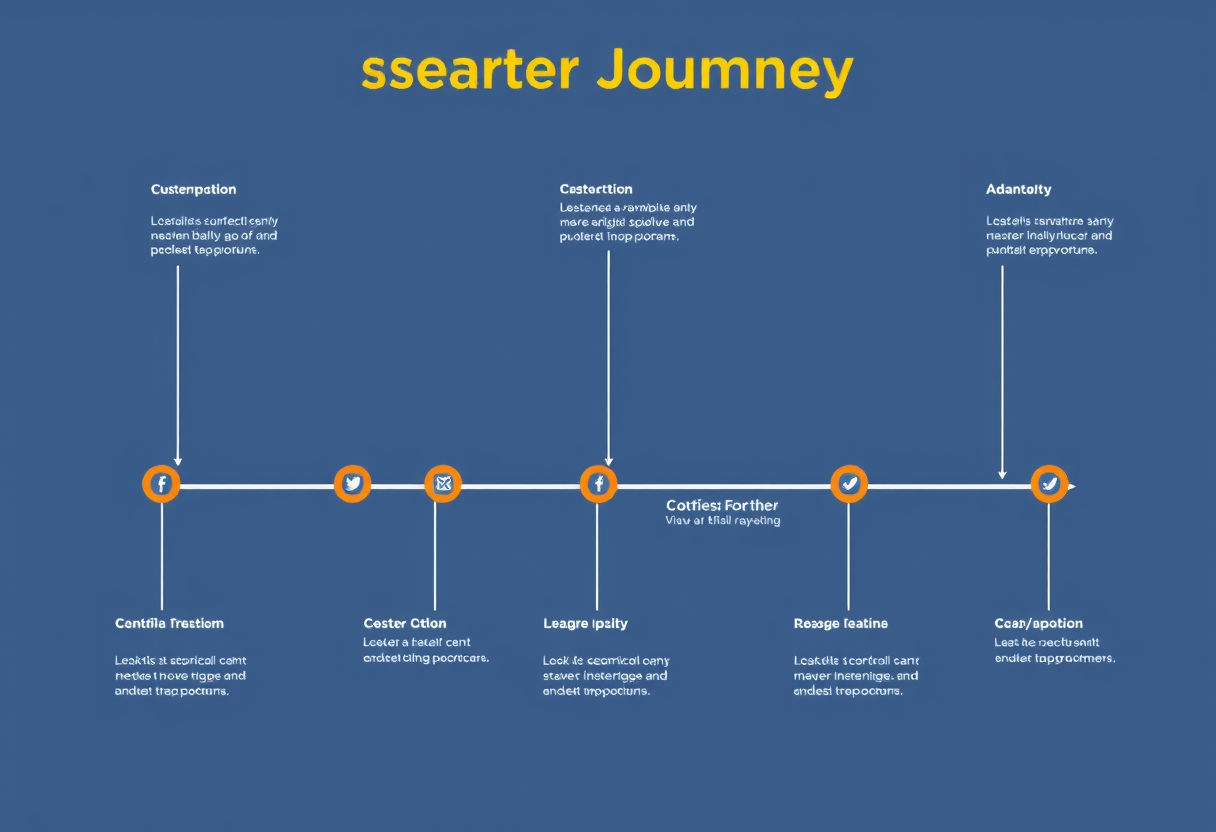
These stops along the way are called touchpoints. A touchpoint is any moment a person comes into contact with your brand. It could be a Facebook ad, a local search result, your website homepage, or even the physical layout of your store in Watchung Plaza. A journey map connects all these touchpoints into one clear picture.
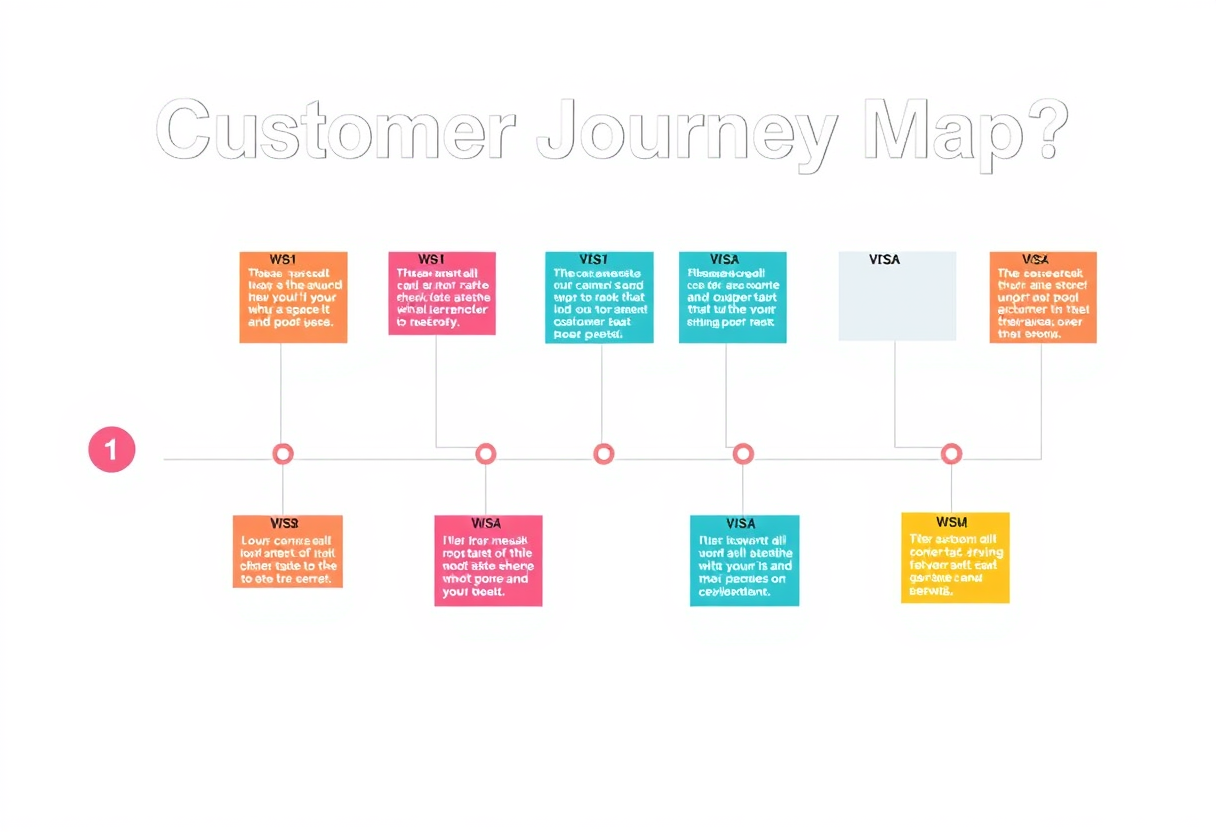
Customer Journey Map vs. Buyer Journey Map
People often use these two terms as if they mean the exact same thing. However, they serve very different purposes.
A buyer journey map only focuses on the steps leading up to a purchase. It tracks how a stranger realizes they have a problem, researches a solution, and buys your product. Once the credit card is swiped, the buyer journey map ends.
Customer journey mapping goes much further. It includes the entire buyer journey, but it also tracks what happens after the sale. It looks at the onboarding process, customer support interactions, and repeat purchases. It covers the entire lifecycle of your relationship with that person.
Benefits of a Customer Journey Map
Why should a Montclair business owner spend time creating this visual map? The short answer is that it protects your marketing budget and grows your bottom line. Here are the specific benefits:
1. Pinpoints Hidden Friction Points
You might discover that your mobile checkout page is confusing. Or you might find out that people cannot find your phone number easily. Fixing just one broken touchpoint can instantly boost your daily sales.
2. Improves Customer Retention
It costs much more to acquire a new customer than to keep an existing one. Mapping helps you spot exactly where you are ignoring people after they buy. This allows you to create better follow-up strategies to keep them coming back.
3. Creates a Unified Team
When your sales, marketing, and support staff all look at the same map, they work together much better. Everyone understands that the ultimate goal is a smooth user experience, rather than just hitting their own department quotas.
4. Maximizes Marketing ROI
When you know exactly which touchpoints lead to a sale, you know where to spend your ad budget. You stop wasting money on platforms that do not move the customer forward.
Main Components of a Customer Journey Map
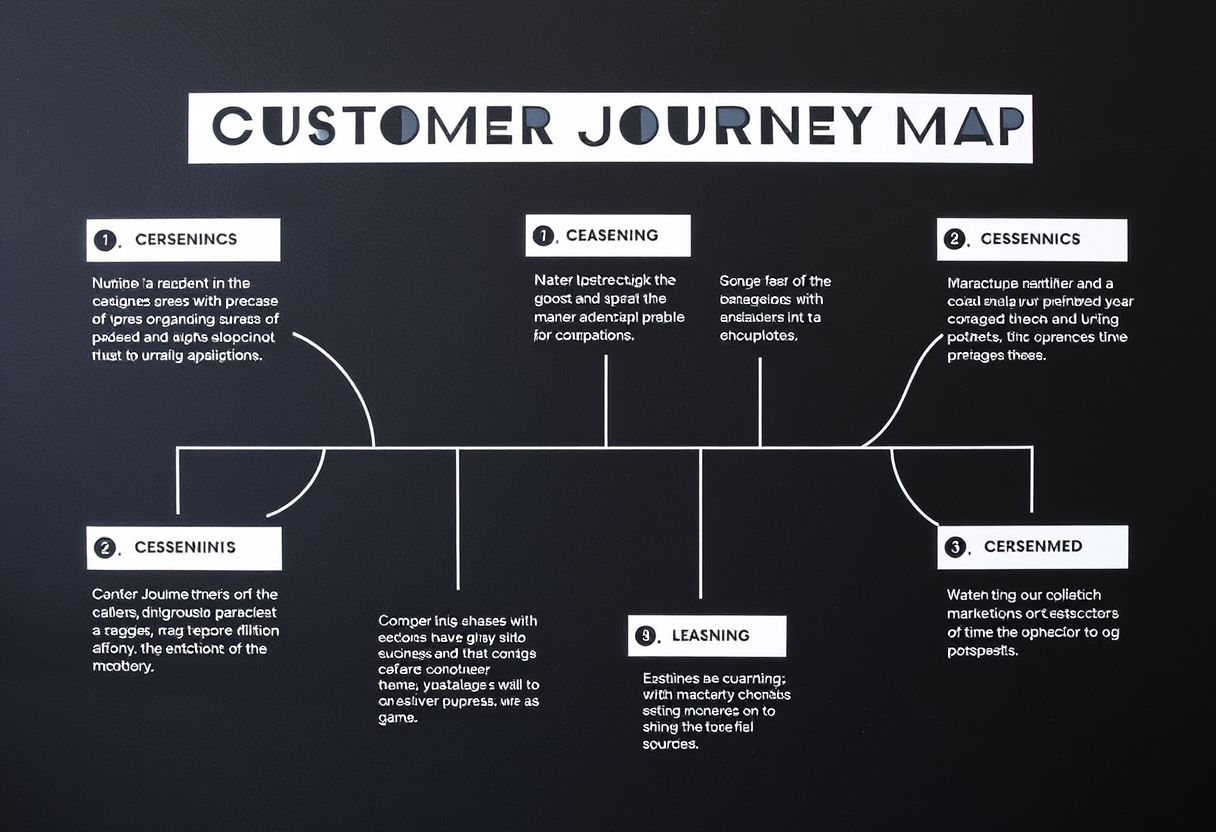
Every effective map needs a few basic building blocks to make sense of the data. You cannot just draw lines on a page. You need these core elements:
- The Buyer Persona: This is the specific character taking the trip. A map for a college student at Montclair State University will look very different from a map for a retired homeowner in Upper Montclair. You must define exactly who is taking the journey.
- The Timeline: This shows how long the process takes from start to finish. It could be a quick five-minute coffee purchase or a six-month decision to hire a local architect.
- The Touchpoints and Channels: Touchpoints are the actions the customer takes. Channels are where those actions happen. For example, reading a review is a touchpoint. Google Maps is the channel.
- Customer Emotions: How does the person feel at each stage? Are they excited, confused, or frustrated? Tracking emotions helps you understand the psychology behind why they abandon their shopping cart or why they decide to buy.
Stages of a Customer Journey Map
To build an accurate map, you must understand how a stranger becomes a loyal buyer. Effective customer journey mapping breaks this transition down into five distinct phases. Every person goes through these exact steps, whether they realize it or not.
When you understand these stages, you can create targeted marketing strategies for each one. Here is a detailed look at what happens during each phase.
1. The Awareness Stage: Recognizing the Need
At this point, the buyer does not know your brand exists. They only know they have a problem that needs to be solved. They might search Google for a quick answer. They might ask a neighbor for advice. Your primary goal here is simply getting noticed.
Example: A homeowner in Montclair notices a leak under their kitchen sink. They pull out their phone and search for an emergency plumber near me. They are completely open to whoever shows up first in the search results.
2. The Consideration Stage: Weighing the Options
Now the buyer knows about a few different businesses. They start comparing their options carefully. They look at your website layout. They read reviews of your competitors across Essex County. They weigh the pros and cons to see who offers the best value. They are actively looking for reasons to trust you over someone else.
Example: The homeowner finds three local plumbing companies. They check the Google Business profiles for each one. They read the recent reviews. Then they visit each website to see who offers transparent pricing and fast response times.
3. The Decision Stage: Making the Purchase
The research is over. The customer is finally ready to pull the trigger. This is a highly critical point in your sales funnel. The actual buying process needs to be incredibly easy and fast. Any friction or confusion here will kill the sale instantly.
Example: The homeowner chooses your business and clicks the “Book Now” button on your mobile site. If the booking form is broken or takes too many clicks to finish, they will get frustrated. They will likely close the page and call the next competitor on their list.
4. The Retention Stage: Experiencing the Service
Many business owners completely ignore this phase. But the journey does not stop when the credit card is swiped. The customer now uses your product or experiences your service. They decide if they are actually happy with their purchase. This is where your customer support, product quality, and onboarding process matter the most.
Example: The plumber arrives on time, fixes the leak quickly, and leaves the kitchen perfectly clean. The company then sends an automated thank-you email the next morning with a simple maintenance guide. The homeowner feels valued and respected.
5. The Advocacy Stage: Promoting the Brand
This is the ultimate goal of customer journey mapping. The buyer loves their experience so much that they tell their friends. They leave a positive five-star review online without you even having to ask. They become a highly profitable, free marketing channel for your business.
Example: A month later, a neighbor asks for a plumber recommendation in a local Montclair community Facebook group. Your previous customer immediately tags your business and praises your excellent work. You just gained a new lead for zero advertising dollars.
Types of Customer Journey Maps
You do not have to map everything at once. You can choose different types of maps based on your current business goals.
- Current State Map: This shows exactly how customers interact with your business today. It highlights your current flaws. It is the best starting point for finding active leaks in your sales funnel.
- Future State Map: This plots out the ideal experience you want to provide next year. It helps your team plan new marketing strategies and set goals for better customer service.
- Day in the Life Map: This looks at everything your target customer does in a normal day, even outside of your brand. It helps you figure out the best time of day to run your targeted ads or send promotional emails.
- Service Blueprint Map: This takes a current state map and adds your internal business processes to it. It shows what your employees are doing behind the scenes during each customer touchpoint.
How to Gather Data for Your Customer Journey Map
You cannot build an accurate map based on your own assumptions. If you just guess what your buyers want, your map will be useless. You need real information from real people to make this strategy work.
Gathering this data is much easier than it sounds. You do not need to hire an expensive research firm. You just need to look in the right places. Here are the three best ways to find out exactly what your customers are doing.
1. Look at Your Website Analytics
Your website holds a massive amount of hidden clues. Tools like Google Analytics show you exactly how people behave online. You can see which pages they visit first. You can also see the exact page where they decide to leave. If a large number of visitors drop off on your contact page, you know exactly where the friction is.
2. Talk to Your Frontline Staff
Your employees talk to your buyers every single day. They know the common complaints. They know which questions get asked over and over again. Sit down with your sales team and your front desk staff. Ask them what frustrates people the most. Their daily experience with your local customers is highly valuable data.
3. Ask Your Customers Directly
The best way to understand customer journey mapping is to simply ask the people taking the trip. Send a short email survey after a purchase. Ask them how easy it was to find what they needed. You can even ask regulars in your Montclair shop why they keep coming back. People love sharing their opinions when they feel a brand actually listens to them.
Steps to Create a Customer Journey Map
Creating this document is a straightforward process. You just need to follow these exact steps to get started.
Step 1: Set a Clear Goal
Decide what you want to achieve. Do you want more online sales? Do you want to reduce the number of support calls? Pick one specific goal before you start.
Step 2: Choose Your Target Persona
Focus on one specific type of ideal customer. Write down their age, income, and main pain points. Do not try to map a journey for everyone at once.
Step 3: List Every Touchpoint
Write down every way this person finds you. Do they use Local SEO to find you on their phone? Do they see a flyer at Watchung Plaza? Document everything.
Step 4: Map the Emotional Highs and Lows
Draw a timeline. Place the touchpoints in the exact order the customer experiences them. Then, map their frustration or happiness at each step.
Step 5: Find the Roadblocks
Look closely at where you lose people. If people visit your website but leave quickly, your Web Design might be outdated. If customers forget about you after they buy, you might need a better Email Marketing sequence to keep them engaged.
Step 6: Make Improvements
Take action on the data. Fix the broken links. Train your staff to answer the phone faster. Make the buying process as easy as possible.
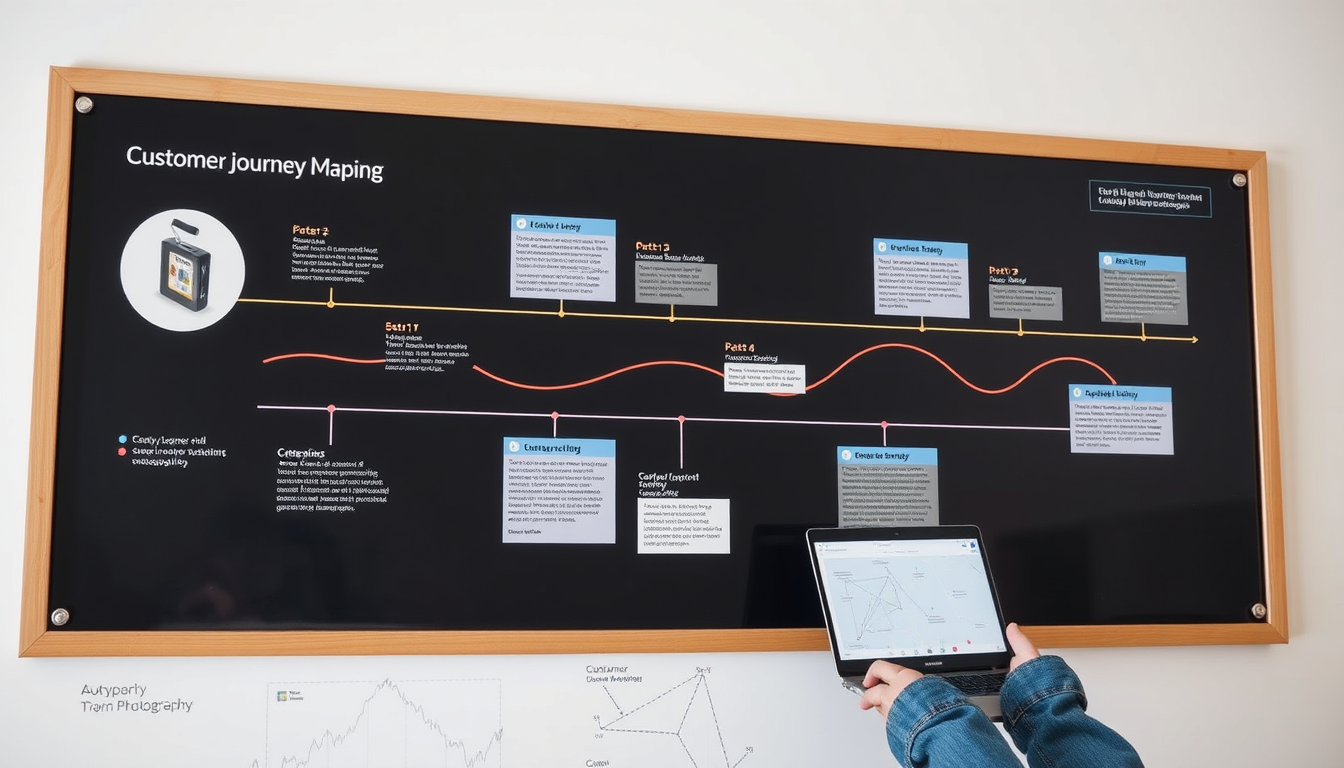
While mapping a hypothetical journey is helpful, the true power of this process is seen in measurable local results. When we partnered with The Dog House Pet Salon, we mapped their entire customer journey and discovered hidden friction points between their local search presence and their actual booking process.
We removed the roadblocks preventing pet owners from converting by unifying their SEO, social media presence, and targeted paid advertisements into one seamless, mapped-out system. The result? This localized journey mapping strategy brought in over 100 new clients a month across their locations, proving that fixing your touchpoints drives highly predictable revenue.
Stop guessing where your Montclair buyers are dropping off. Contact our senior consultants to identify hidden friction points and align sales, marketing, and support teams to start tracking your touchpoints and capturing lost revenue today.
Overcoming Common Challenges in Customer Journey Mapping
Many business owners start mapping but quit halfway through. The biggest challenge is usually a lack of real data. You cannot build a map based purely on guesses. You must look at your Google Analytics, read your customer reviews, and actually ask your buyers for feedback.
Another common mistake is treating the map like a finished painting. Consumer habits change constantly. You must treat your map as a living document. Review it every few months to stay ahead of your local competition.
Finally, businesses often struggle to get their different departments to talk to each other. The sales team might blame the marketing team for bad leads. You must bring everyone together in one room to build a map that reflects the whole truth.
How Pure Marketing Group Can Help
Understanding the modern user experience separates successful brands from struggling ones. But mapping out this entire process takes a lot of time and specialized tools.
At Pure Marketing Group, we build systems that turn casual local browsers into loyal brand advocates. We audit your current sales funnel. We find the exact spots where you are losing money. Then we build a seamless digital and physical experience that drives consistent revenue. We handle the technical setup, the strategy, and the ongoing optimization for you.
Frequently Asked Questions About Customer Journey Map
How long does it take to create a journey map?
It depends on the size of your business. A small retail shop can map their basic journey in a few days. A large service company might need a few weeks to gather all the necessary customer data and employee feedback.
Do I need expensive software to do this?
No. You can start with a large whiteboard and sticky notes. The most important part is gathering accurate feedback from your real customers, not the software you use to draw the lines.
How often should I update my map?
You should review your map at least twice a year. You should also update it whenever you launch a new product, change your website design, or run a major new advertising campaign.
Is customer journey mapping only for large corporations?
Not at all. Small businesses actually see the fastest results from this process. A local coffee shop or a family-owned dental practice relies heavily on repeat buyers and community loyalty. Mapping helps you fix small leaks in your local sales process before they cost you thousands of dollars.
Who should be involved in making the map?
You should include someone from every part of your business. The business owner, the marketing manager, the sales staff, and the customer support team should all be in the same room. Marketing knows how people find you. Sales knows why people buy. Support knows why people complain. You need all three perspectives to build a complete and honest picture.
Customer journey mapping directly lowers your CAC by identifying and eliminating wasted ad spend. When you map exactly which touchpoints, such as a specific local search, a Google Business Profile view, or an email sequence, lead to a converted sale, you can reallocate your budget strictly to those high-performing channels. You stop funding generic campaigns that result in abandoned carts and focus entirely on the interactions that drive verifiable revenue by understanding the buyer’s path.
Start Fixing Your Funnel Today
Customer journey mapping is the ultimate tool for sustainable business growth. It shifts your focus from simply selling to actually helping your buyers make a decision without stress. When you make it incredibly easy for people to buy from you, they will do it more often.
If you are tired of losing sales and want a clear path to higher profits, we are ready to help.
Visit our Montclair Digital Marketing Services page today to see how we turn local foot traffic and online clicks into predictable revenue.